

 Image 1 of 1
INTRODUCTION by Peter Parker
AFTERWORD by Chris Brickell
Booksellers! Download the Advance Information Sheet
‘I felt myself no longer alone in a world where the two of us, he and I, shared at least one bond — that of physical desire. And presently, no stranger in the land of Sodom, I said what I wanted to say, as directly and unequivocally as possible.
“Why not?” he answered no less frankly. “I’ve got a room.”’
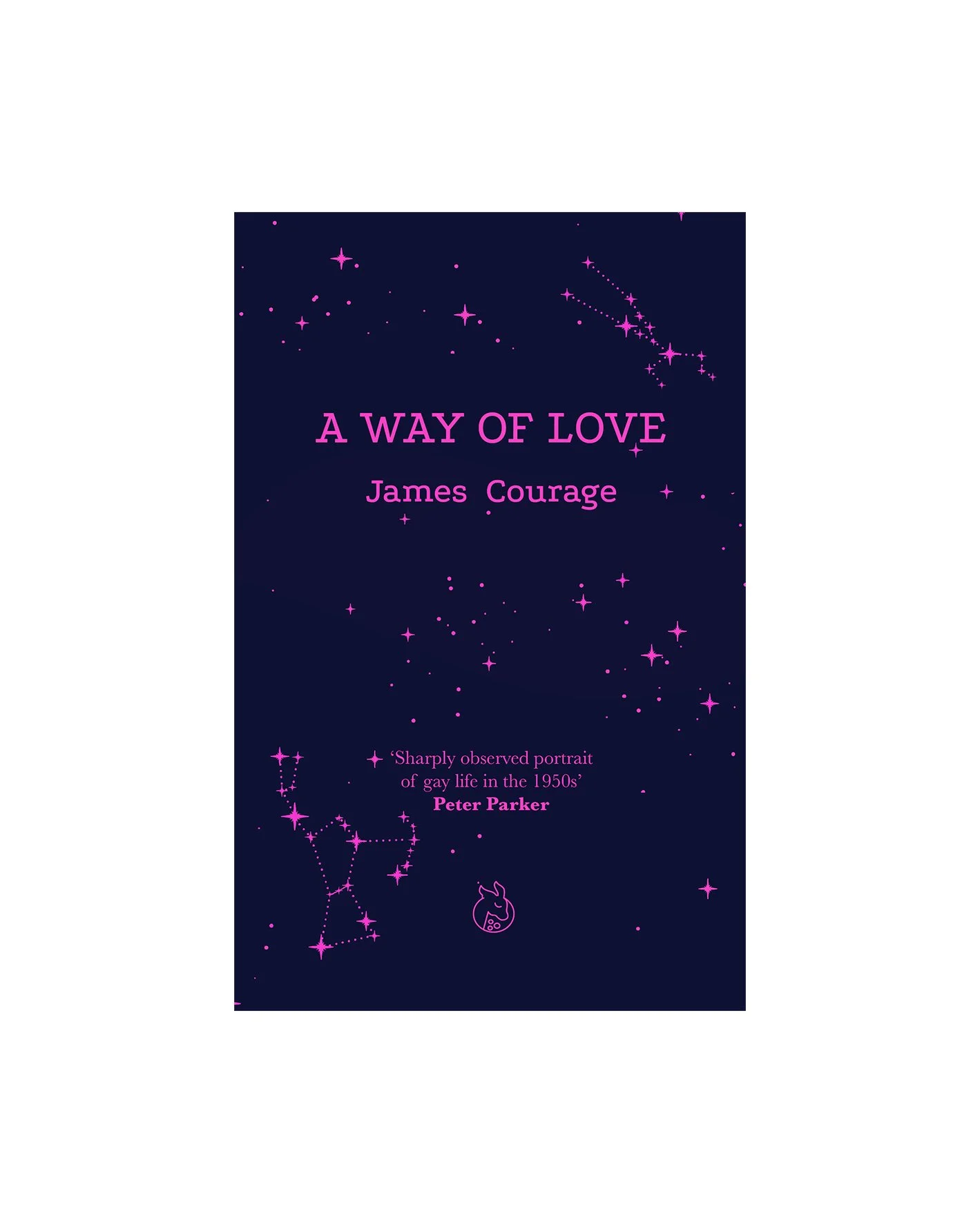
Bruce Quantock is an architect and a bachelor. Mature, accomplished, cultured and worldly. One cold evening in early December, he attends a performance of Schubert’s Symphony at London’s Festival Hall. Leaving the concert, his life suddenly changes when his chin brushes against a stranger’s cheek – a younger man with tigerish eyes – as he reaches for a coat on the floor. Caught in each other’s glances, an energy detonates between them. From then on, neither man can shake the other out of their thoughts.
Yet Bruce, forty-nine years old, and his younger suitor, Philip Dill, come from different generations. Bruce is professionally secure but also – due to years of experience – comfortable with his sexuality. Philip is precarious, emotionally explosive, and yet to find his place in the world. He also struggles to admit that he is one of ‘them,’ one of those – that he calls with disdain – ‘types.’
James Courage (1903–63) was a New Zealand–born novelist who spent most of his life in England. He had a prolific literary career, and wrote eight novels, several plays, and numerous short stories. Published by the leading literary publishers of his day, his many novels have since fallen out of print.
‘Beautifully written, like all Courage’s fiction, and leavened by wry humour, A Way of Love provides a varied and sharply observed portrait of gay life in the 1950s’—PETER PARKER, editor of Some Men In London: Queer Life, 1945-1959
‘A Way of Love is an important mid-century queer novel. In the framing of central character Bruce and his relationship with the younger Philip, James Courage reveals what daily, domestic life was like for queer men and the challenges they faced (and still face) in navigating the boundary between discretion and openness. This isn’t a sensationalist story, but rather a humane, observational account of one man’s attempts to live his life on his own terms.’ Christopher A. Adams, author of Obscenity, Literary Censorship, and Queer British Fiction
‘Finally we get to read this important almost-lost novel that helped change how Britain viewed gay men and contributed to decriminalisation - it’s a wonderful, hopeful book.’ Layla McCay, author of The Queer Bookshelf: a reader’s guide
Generously supported by Arts Council England
INTRODUCTION by Peter Parker
AFTERWORD by Chris Brickell
Booksellers! Download the Advance Information Sheet
‘I felt myself no longer alone in a world where the two of us, he and I, shared at least one bond — that of physical desire. And presently, no stranger in the land of Sodom, I said what I wanted to say, as directly and unequivocally as possible.
“Why not?” he answered no less frankly. “I’ve got a room.”’
Bruce Quantock is an architect and a bachelor. Mature, accomplished, cultured and worldly. One cold evening in early December, he attends a performance of Schubert’s Symphony at London’s Festival Hall. Leaving the concert, his life suddenly changes when his chin brushes against a stranger’s cheek – a younger man with tigerish eyes – as he reaches for a coat on the floor. Caught in each other’s glances, an energy detonates between them. From then on, neither man can shake the other out of their thoughts.
Yet Bruce, forty-nine years old, and his younger suitor, Philip Dill, come from different generations. Bruce is professionally secure but also – due to years of experience – comfortable with his sexuality. Philip is precarious, emotionally explosive, and yet to find his place in the world. He also struggles to admit that he is one of ‘them,’ one of those – that he calls with disdain – ‘types.’
James Courage (1903–63) was a New Zealand–born novelist who spent most of his life in England. He had a prolific literary career, and wrote eight novels, several plays, and numerous short stories. Published by the leading literary publishers of his day, his many novels have since fallen out of print.
‘Beautifully written, like all Courage’s fiction, and leavened by wry humour, A Way of Love provides a varied and sharply observed portrait of gay life in the 1950s’—PETER PARKER, editor of Some Men In London: Queer Life, 1945-1959
‘A Way of Love is an important mid-century queer novel. In the framing of central character Bruce and his relationship with the younger Philip, James Courage reveals what daily, domestic life was like for queer men and the challenges they faced (and still face) in navigating the boundary between discretion and openness. This isn’t a sensationalist story, but rather a humane, observational account of one man’s attempts to live his life on his own terms.’ Christopher A. Adams, author of Obscenity, Literary Censorship, and Queer British Fiction
‘Finally we get to read this important almost-lost novel that helped change how Britain viewed gay men and contributed to decriminalisation - it’s a wonderful, hopeful book.’ Layla McCay, author of The Queer Bookshelf: a reader’s guide
Generously supported by Arts Council England